
Wedding Budget Planner
Make room for what matters most.
Plan your wedding budget around the celebration you want, with a clear view of what is included and what still needs a quote. This guide helps couples comparing Tamborine Mountain and Gold Coast Hinterland wedding packages bring venue costs, optional additions, outside suppliers and payment dates into one working plan.
This planner is a starting point for your own working budget. Use it alongside current written proposals and your agreed booking terms. Package inclusions vary, so confirm each detail with our team before treating it as included.
1. Agree your comfortable total
Decide the total you are comfortable spending and which contributions are confirmed. Keep hoped-for contributions separate until they are agreed. Then choose your three priorities—perhaps food, photographs, time with guests or an overnight stay—and use them to guide your decisions.
Set an amount aside for changes or unexpected costs that suits your circumstances. This contingency belongs inside your overall spending limit, rather than being an extra amount added later.
2. Choose your guest list and format
Guest numbers influence more than catering. They can affect your package choice, drinks, seating, transport and accommodation. Begin with a realistic list, then ask how changes in numbers would affect your proposal and when final numbers are required.
Compare ceremony-only, micro-wedding and ceremony-and-reception options by their actual inclusions. Ask about your preferred date, event duration and spaces, and any minimum numbers or additional charges that apply.
Explore current wedding options → · Request a personalised proposal →
3. Count each inclusion once
Shambala’s inclusive packages bring several parts of a wedding together, with inclusions varying by package. Mark each cost as included, an optional addition or a separate supplier booking. If a service is included in your package total, do not add its full cost again in your outside-supplier budget.
Check catering, drinks, ceremony setup, styling, music and cottage nights individually. Confirm the quantities, hours, service arrangements and any upgrades. Ask whether each quote includes GST and any delivery, setup, travel, overtime or other charges before comparing totals.
4. Bring your costs together
Copy this worksheet into your own document or spreadsheet, or print it and complete it by hand. It is a blank planning template; it does not calculate totals or save entries online. On a small screen, swipe across the table to see every column.
| Cost item | Total cost (AUD) | Paid (AUD) | Still due (AUD) |
|---|---|---|---|
| Venue / wedding package | _____ | _____ | _____ |
| Package additions | _____ | _____ | _____ |
| Celebrant | _____ | _____ | _____ |
| Photography / video | _____ | _____ | _____ |
| Attire and alterations | _____ | _____ | _____ |
| Hair and makeup | _____ | _____ | _____ |
| Flowers and styling outside package | _____ | _____ | _____ |
| Cake and desserts outside package | _____ | _____ | _____ |
| Music / entertainment outside package | _____ | _____ | _____ |
| Stationery and signage | _____ | _____ | _____ |
| Transport | _____ | _____ | _____ |
| Accommodation outside package | _____ | _____ | _____ |
| Other agreed costs | _____ | _____ | _____ |
| Contingency allowance | _____ | _____ | _____ |
| TOTAL | _____ | _____ | _____ |
Enter the full package price once. For other rows, enter only costs outside that package. Start with estimates, replace them with agreed quote amounts as you book, and note any changes. Keep the unspent contingency separate from supplier payments.
Your working total: package + additions + separate suppliers + contingency.
Remaining amount for each booked item: agreed total − payments already made.
A deposit is part of that item’s total cost. Do not count the deposit again as a separate wedding expense.
5. Give every payment a date
Alongside the worksheet, record each supplier, quote reference, payment milestone, amount and due date. Note who will make the payment and keep the receipt with the booking record. Use the actual dates and amounts in your signed agreements and invoices.
Review both the whole-wedding total and what is due in each month. Before adding an upgrade, check its effect on your remaining budget and upcoming payments. Keep one updated version so everyone contributing is working from the same figures.
6. Compare the complete proposal
Compare like with like: the same guest numbers, date, event hours and inclusions. A lower starting price may cover a different celebration. Ask what happens if guest numbers change, a supplier needs extra time or your plans move. Read the relevant booking, change and cancellation terms before committing. Confirm any accommodation nights, extra guests, transport and optional services rather than assuming they are included.
Plan with a team who listen
Bring your priorities, likely guest numbers and comfortable budget to a private tour. Our five wedding coordinators care for your plans together, so whichever team member you speak with can help you compare choices and carry the conversation forward.
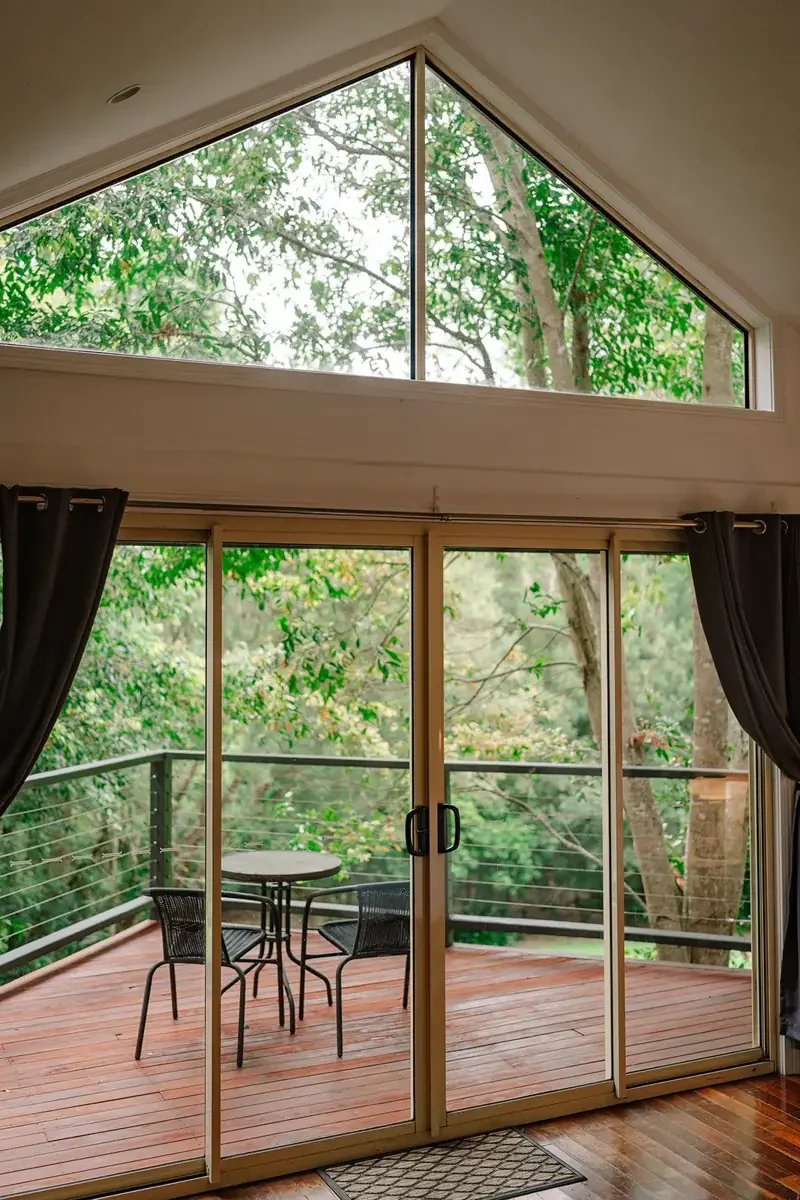
We can help you understand the current package choices and the details in your Shambala proposal. The aim is a celebration that feels personal, with clear choices and fewer financial surprises along the way.
Talk through your wedding budget → · Read package and planning FAQs → · Explore cottage stays →