
The Details Guests May Never Notice—But Will Always Feel
The short answer: guests may not notice the timing adjustments, discreet conversations or dozens of small decisions behind a beautifully flowing wedding. They simply feel welcomed, comfortable and able to enjoy the celebration. That sense of ease is rarely accidental.
A memorable wedding is shaped not only by the moments everyone photographs, but by the thoughtful details that make those moments possible. Good planning removes friction. It allows people to arrive without uncertainty, move without confusion and feel cared for without being managed.
Ease is something you can design
Guests experience a wedding as a sequence of transitions: arriving, finding the ceremony, waiting for it to begin, moving into photographs and drinks, taking their seats, dining, celebrating and eventually leaving. Each transition can either feel natural or require people to stop and work out what happens next.
The smoothest weddings give quiet answers before questions arise. Where should guests park? Is the walk comfortable? Who will guide an older relative? Where can someone place a gift? What happens between the ceremony and reception? Thoughtful signs help, but attentive people and a well-considered layout matter even more.
The arrival sets the emotional tone
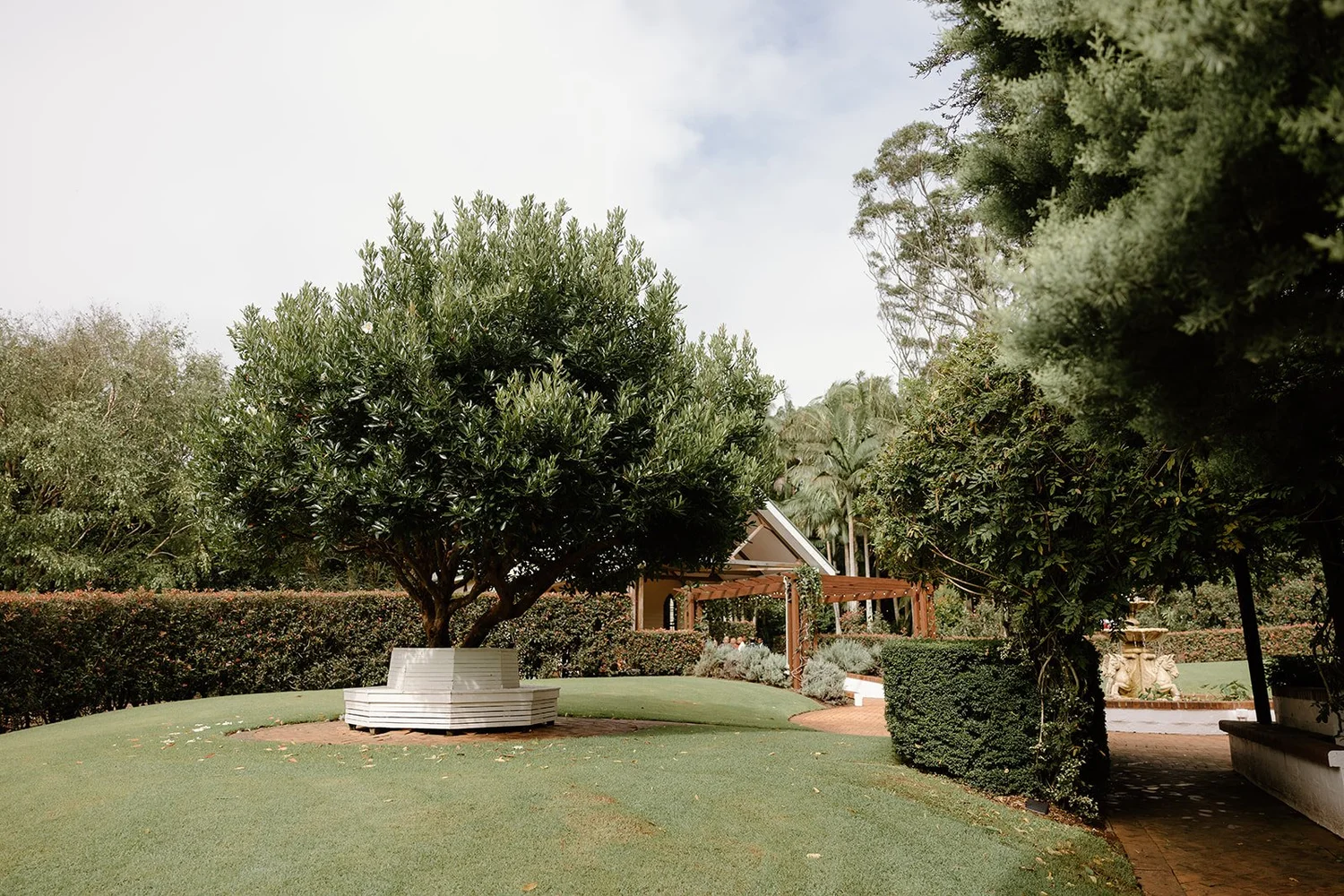
The wedding begins for guests before the ceremony does. It begins as they approach the venue, find their way inside and receive their first welcome.
A calm arrival allows people to settle. Clear directions, visible support, suitable seating and an easy path to refreshments can soften the natural uncertainty of entering an unfamiliar place. If a guest has mobility needs, young children or a long journey behind them, those practical details become part of the hospitality.
When touring a venue, arrive as a guest would. Notice the road, parking, surfaces, distances, shelter and the first person likely to greet your family. These details are not glamorous, but they influence how everyone feels.
Good timing creates room to be present
A strong wedding timeline is not simply a list of start times. It protects the experience around each important moment.
Enough time before the ceremony prevents a hurried beginning. A considered pause after the ceremony lets congratulations happen naturally. Well-planned photographs allow the couple to enjoy their guests rather than disappearing for most of the afternoon. Food and beverage service should begin before people start wondering when it will begin.
Just as importantly, a good team knows when not to force the schedule. Five unhurried minutes can be more valuable than rigidly preserving a running sheet. Our guide to creating a relaxed wedding-day timeline explores how to build that breathing room into the day.
Comfort is part of the celebration
People remember beauty, but they also remember whether they were too hot, cold, thirsty, exposed to rain or unsure where to go. Comfort deserves to be planned with the same care as styling.
That may include:
water available before the ceremony;
shade, umbrellas or an indoor alternative when conditions change;
appropriate seating for older guests or anyone who cannot stand comfortably;
clear access to bathrooms and quiet spaces;
a sensible distance between ceremony, photographs and reception;
dietary requirements communicated accurately; and
transport arrangements that allow guests to relax at the end of the evening.
Wet-weather planning is especially revealing because it shows whether a venue has considered the entire guest journey, not just an alternative ceremony backdrop. Read what happens if it rains on your wedding day for the questions worth asking.
Food and drinks have their own rhythm
Hospitality is not only about what is served. It is also about when, where and how it reaches people.
Guests should not need to search for a drink or wonder whether they have missed the food. Service should support the natural rhythm of conversation, speeches and dancing. Dietary meals should arrive discreetly and confidently. Clearing, resetting and replenishing should happen without pulling attention away from the celebration.
These details are easy to overlook when comparing menus, yet they often determine whether catering feels generous and relaxed.
The best coordination is often almost invisible
Behind a calm celebration, someone is checking the weather, speaking with suppliers, watching the time, helping a family member, adjusting a chair, finding a missing buttonhole or quietly changing the next step.
This does not mean the wedding should feel controlled. The purpose of coordination is the opposite: to carry the logistical weight so the couple, family and guests do not have to. When something changes, the response should feel calm, clear and kind.

Questions to ask when choosing a venue
As you tour a wedding venue, look beyond the spaces themselves and ask:
Who is watching the guest experience throughout the day?
How are transitions between ceremony, photographs and reception managed?
What support is available for elderly guests, children or people with mobility needs?
When and where are food and beverages served?
How are dietary requirements communicated to the service team?
What changes when rain, heat or delays affect the plan?
Who coordinates suppliers and keeps everyone working from the same information?
How will guests travel safely at the end of the celebration?
The answers reveal whether a venue is focused only on how the wedding looks or also on how it will feel.
How this comes together at Shambala
At Shambala Estate, the ceremony, garden photographs, pre-reception time and reception can unfold within the same five-acre private garden Estate. Keeping the main parts of the celebration together reduces transitions and gives the team a clear view of the whole guest journey.
Our approach is to listen carefully, anticipate what people may need and take care of the details so couples can remain present. You can also explore our guide to planning a beautiful experience for your wedding guests and learn more about why the right wedding team matters.
See the guest journey for yourself
During a private tour, walk through the Estate in the order your guests would experience it. Notice the distances, transitions, shelter, reception spaces and places where people naturally gather.
Book a Private Tour and ask our team to talk you through both the visible moments and the quiet details supporting them.