
Why We Listen Before We Create: Planning a Wedding That Feels Like You
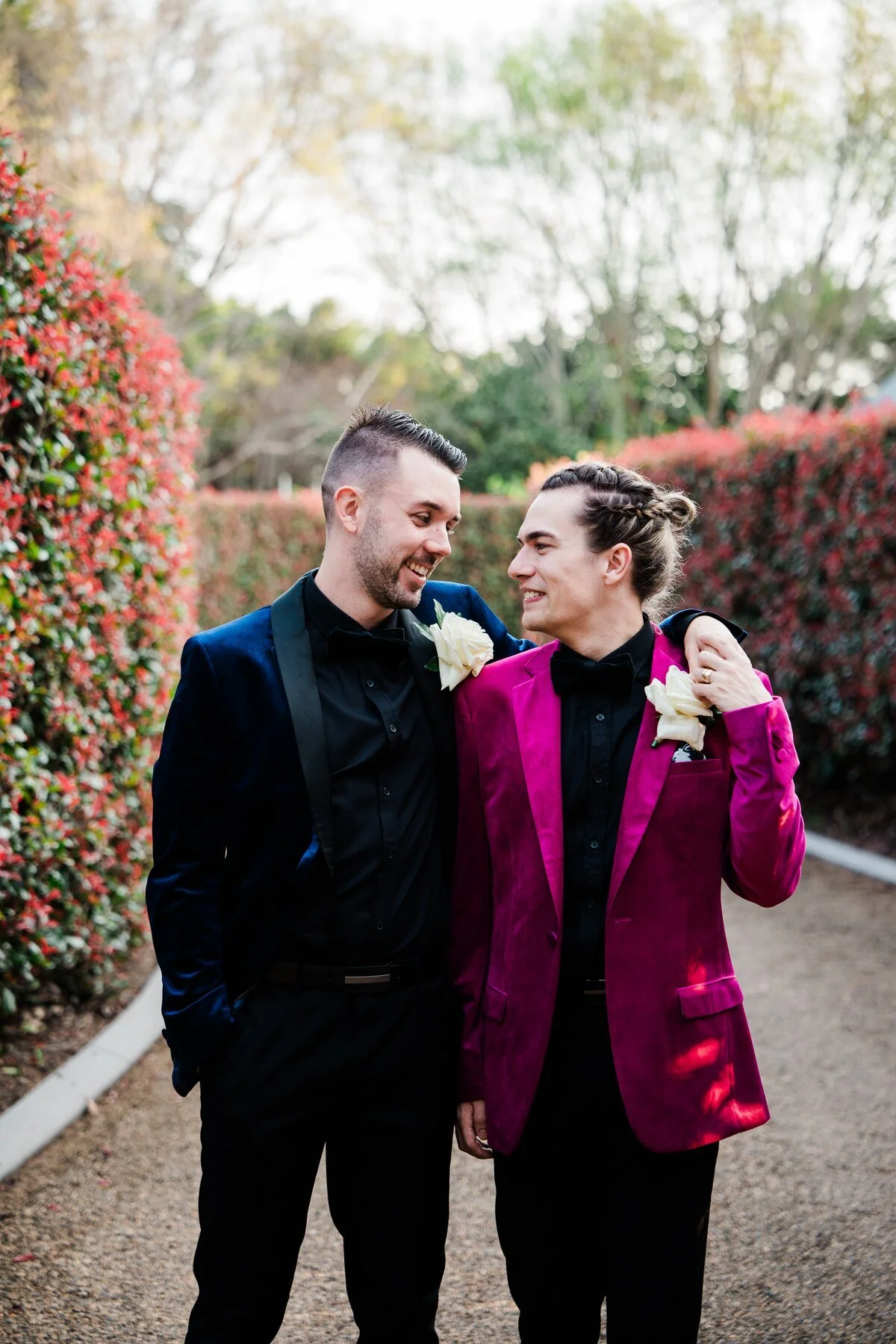
The short answer: a wedding feels genuinely personal when the planning begins with listening—not with a formula. Before choosing colours, menus or ceremony details, it helps to understand what matters most to you, how you want the day to feel and which people, traditions and moments deserve the greatest care.
There is no single correct way to celebrate a marriage. A beautiful wedding may be intimate or abundant, traditional or unconventional, carefully formal or wonderfully relaxed. What makes it feel like your wedding is the sense that each meaningful choice belongs there for a reason.
Listening begins with how you want the day to feel
Couples often arrive with a folder of images and a long list of practical questions. Both are useful, but neither tells the whole story.
A more revealing place to begin is with feeling. Do you want the day to be calm and unhurried? Warm and generous? Elegant, playful, deeply traditional or quietly intimate? When your team understands the emotional direction of the celebration, practical decisions become easier to evaluate.
A choice is not right merely because it is fashionable or photographs beautifully. It should support the atmosphere you want to create.
Start with priorities, not a checklist
Wedding planning can quickly become a sequence of decisions that all appear equally urgent. They are not.
Choose three or four priorities together before getting caught in the detail. You may care most about time with family, exceptional food, a meaningful ceremony, live music, beautiful photographs or a relaxed weekend with your closest people. Those priorities become a filter for the budget and the timeline.
If a decision strengthens what matters most, it deserves attention. If it adds cost or complexity without changing the experience, it may be something you can simplify.
Make room for both perspectives
A shared celebration should allow both people to recognise themselves in it. That does not mean every choice needs to be divided perfectly in half. It means each person has space to explain what feels important and why.
One partner may care deeply about the ceremony while the other is focused on hospitality. One may value family tradition; the other may want the day to feel informal. Listening uncovers the meaning beneath those preferences and makes thoughtful compromise possible.
The strongest plans are not built by winning individual decisions. They are built by understanding the life and relationships the wedding is there to honour.

Traditions should carry meaning, not obligation
Tradition can bring depth, continuity and a powerful sense of belonging. It can also feel uncomfortable when it is included only because couples believe they are supposed to do it.
Ask which cultural, family or faith traditions genuinely matter to you. Some may remain exactly as they have always been. Others can be adapted respectfully, combined with new rituals or left out altogether.
When several cultures or families are coming together, early conversation is especially valuable. It gives your venue and suppliers time to understand ceremonial needs, food customs, music, timing and the people whose guidance should be included. Shambala welcomes cultural weddings and works with couples to understand what their celebration requires.
Design for the people you love
A wedding should express the couple, but it is also an act of hospitality. Listening extends to the people who will share the day with you.
Consider age, mobility, dietary requirements, transport, children, accommodation and the distances guests will move between each part of the celebration. Think about who might need quiet support and who should be included in important moments.
These details do not make a wedding less personal. They reveal your values. Guests may never know how much thought went into their comfort, but they will feel welcomed by it.
Spend where it changes the experience
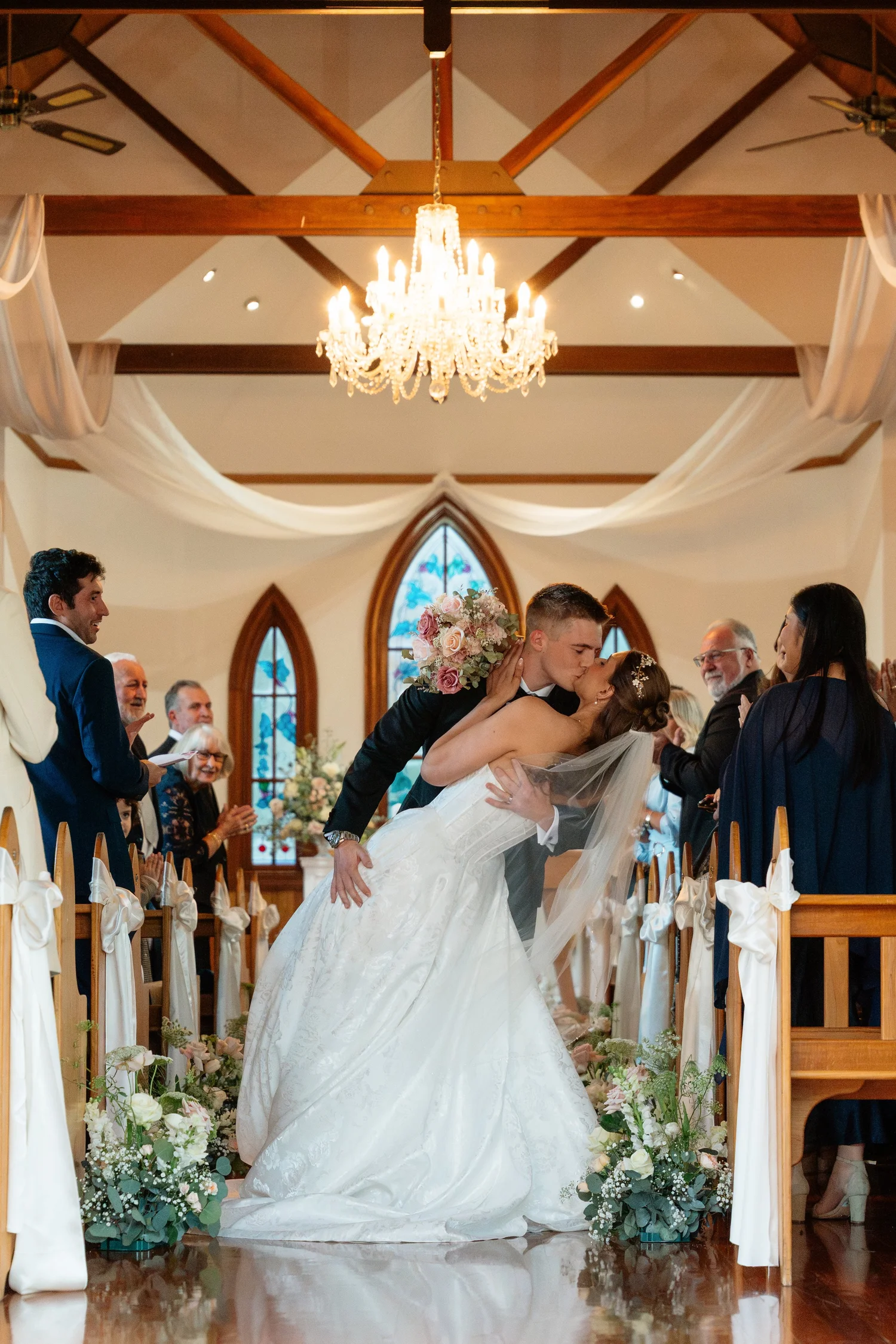
A personal wedding is not defined by how much is added. Thoughtful spending gives weight to the elements that will shape the day.
If conversation and connection matter most, invest in generous food and a comfortable flow rather than elaborate extras. If music is central to your story, make room for it in the program and budget. If you want to be fully present, experienced coordination may be more valuable than another decorative layer.
Simplifying elsewhere is not a compromise when it protects your priorities. It is a clear choice about what deserves to be felt.
Personal does not have to mean complicated
Couples sometimes assume that making a wedding distinctive requires creating everything from scratch. Often the opposite is true.
A well-chosen venue already provides atmosphere, natural movement and beautiful settings. The role of personalisation is then to add meaning: a ceremony written with care, a family recipe, music that carries a memory, considered speeches, photographs displayed for loved ones or a quiet moment built into the timeline.
A few true details will say more about you than a large number of disconnected ideas.
Questions that help reveal your wedding
Useful planning conversations often begin with questions such as:
- What do we want to remember most clearly the following morning?
- When during the day do we most want to be together?
- Which traditions feel meaningful, and which feel like obligations?
- What do we want our guests to feel when they arrive?
- Who may need additional care or consideration?
- Where would extra time make the day calmer?
- Which two or three elements would we protect if we had to simplify?
- What would make this celebration unmistakably ours?
There are no ideal answers. Their value lies in helping your team understand you before offering solutions.
How the Shambala team listens before creating
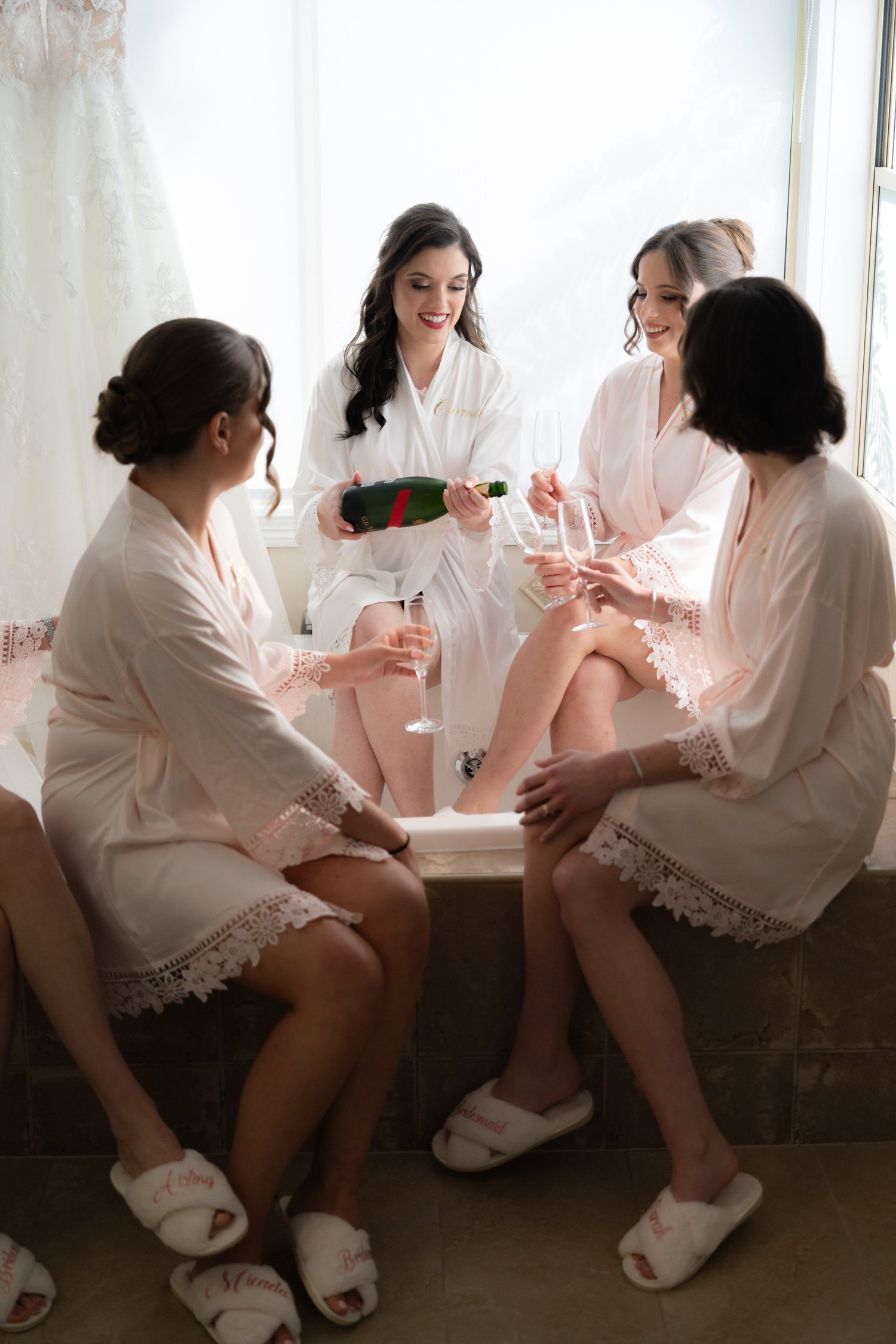
At Shambala Estate, planning begins by learning about the people at the centre of the celebration. We want to understand your priorities, your guests, the atmosphere you imagine and any traditions or practical needs that will shape the day.
That understanding helps the team guide decisions across the ceremony locations, gardens, reception spaces, food and beverages, accommodation and timing. Because the main parts of the celebration can unfold within one private Estate, those choices can be considered as one connected experience.
Our coordinators work together on the details of your celebration. That shared approach provides continuity and allows the team to support the plan calmly from the first conversations through to the wedding day. You can learn more about why the right wedding team makes all the difference.
Begin with a conversation
You do not need to arrive with every answer. A private tour is an opportunity to see the spaces, talk through your priorities and begin discovering what your celebration could feel like.
Book a Private Tour and tell us what matters to you. We will listen first, then help you shape a wedding that feels clear, considered and genuinely yours.